

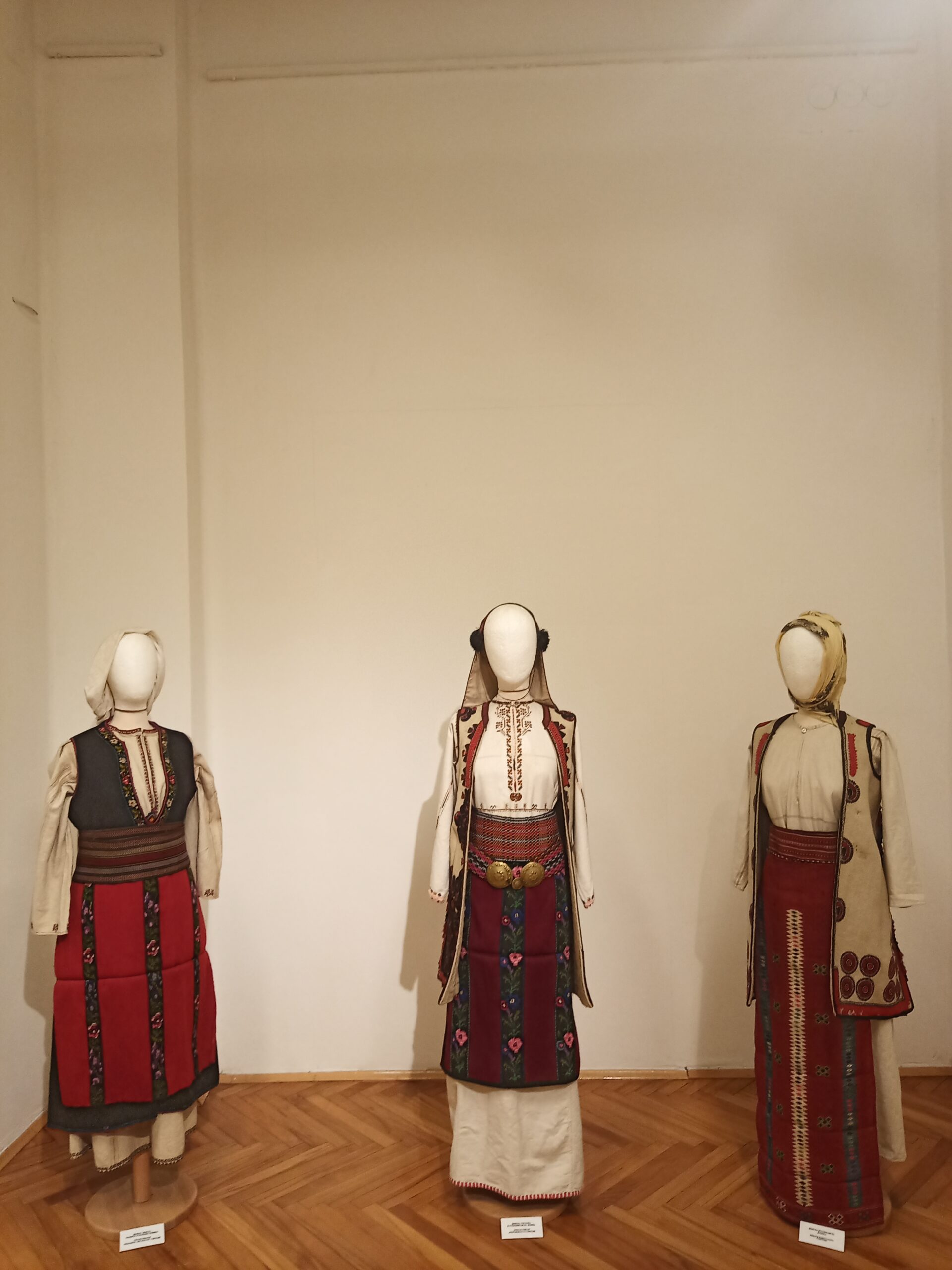


Located in the very heart of Zaječar, the National Museum in Zaječar is one of the most important cultural institutions in eastern Serbia. Founded in 1951 and housed in a building dating from 1927, the museum presents archaeology, history, art history, ethnology, and intangible cultural heritage of the region through permanent exhibitions across two floors.
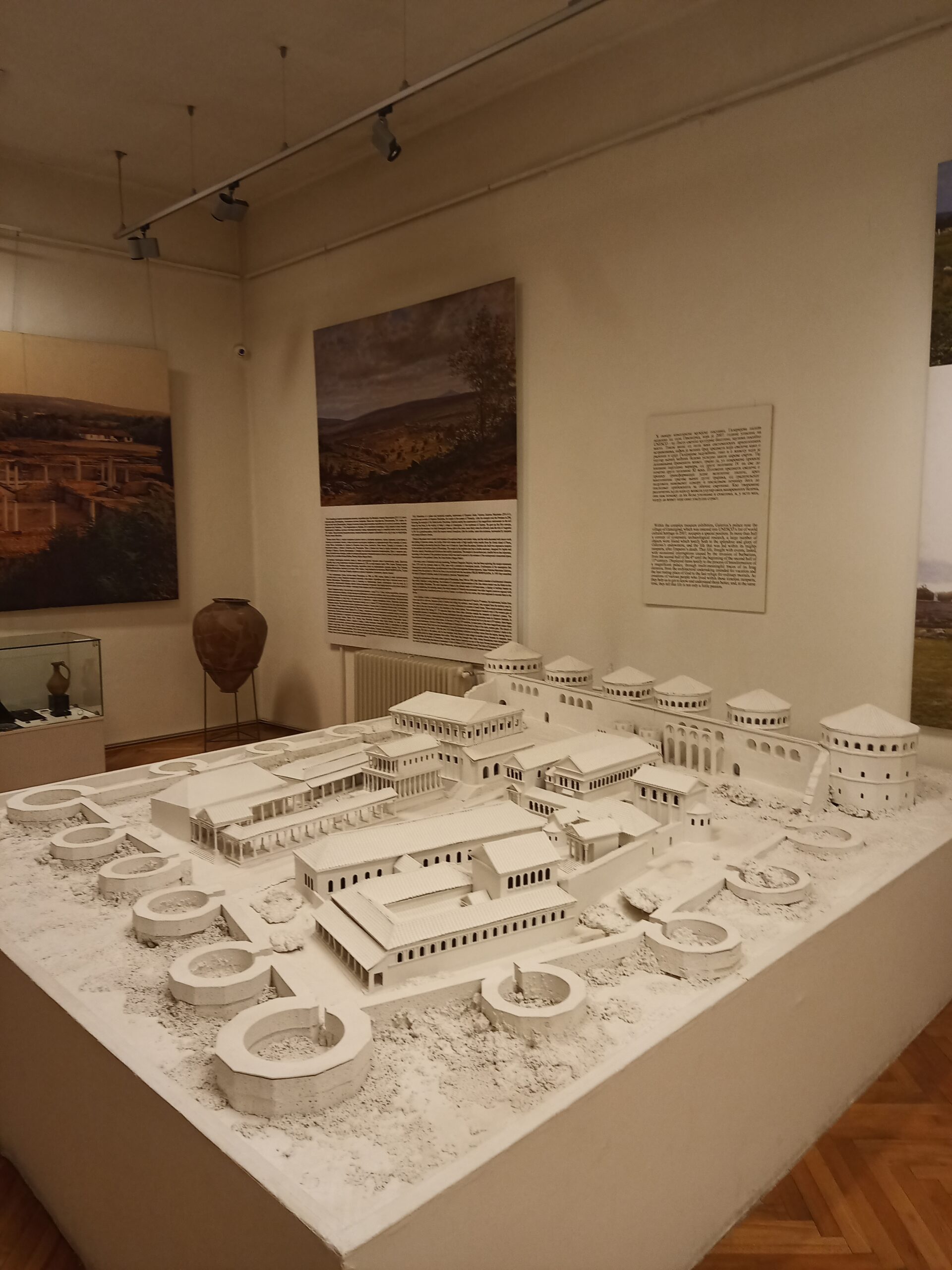
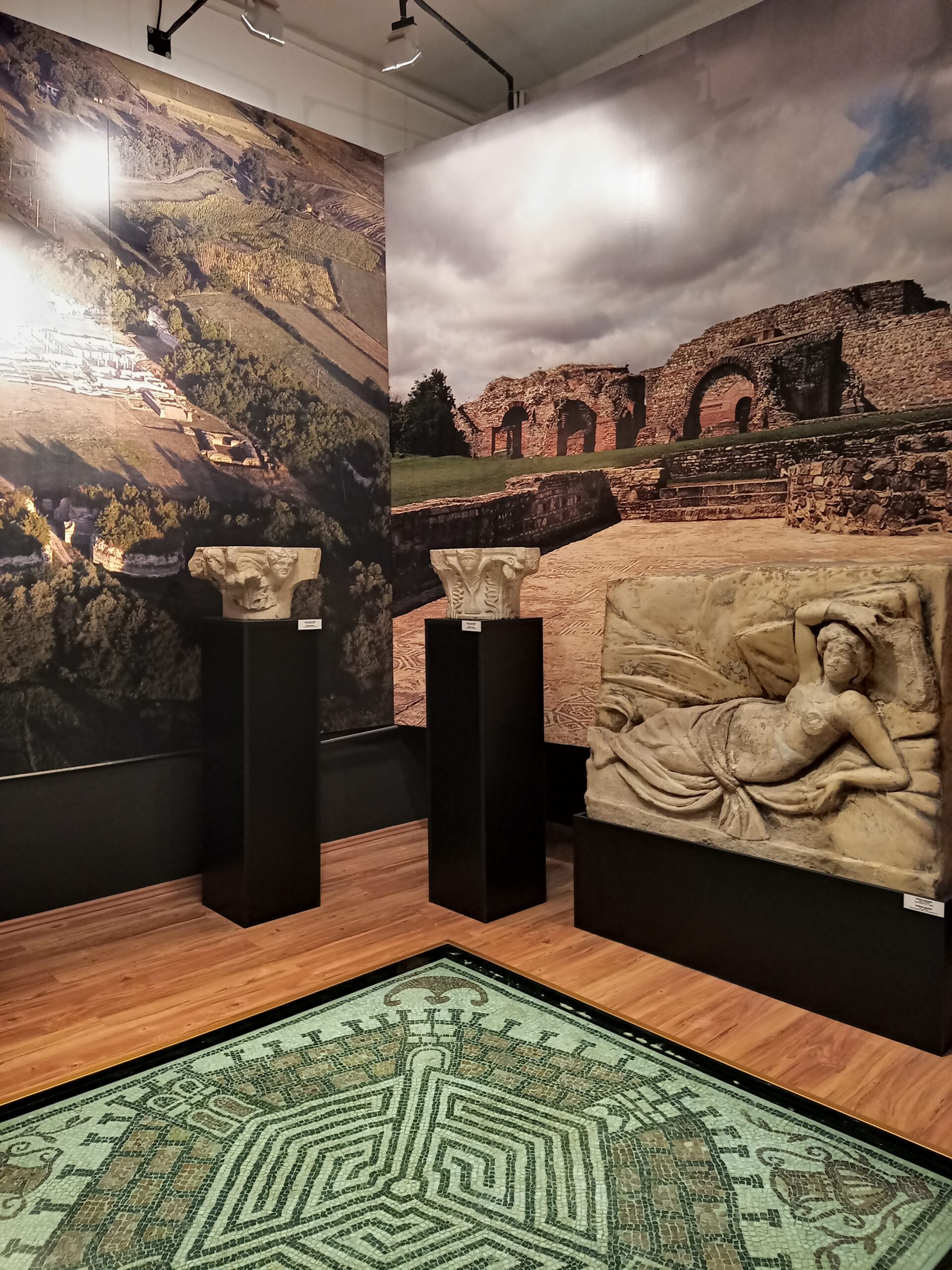
The museum also manages the archaeological site of Felix Romuliana, the imperial palace of Roman Emperor Galerius, inscribed on the UNESCO World Heritage List in 2007. Its monumental remains, mosaics, and sculptures testify to the exceptional importance of this site within the Roman Empire. Other significant facilities within the museum complex include the Radul Bey Residence (part of the ethnological collection and gallery) and the Turkish Watermill.
The museum preserves around 15,000 artifacts, ranging from prehistory to the modern era, with particularly valuable collections of mosaics, sculptures, and architectural decoration from Felix Romuliana. Its archaeological, ethnological, historical, and art collections together reveal the multi-layered past and cultural identity of eastern Serbia.
Today, the National Museum in Zaječar also serves as an active cultural and educational center. Through exhibitions, workshops, and modern digital content, it contributes to the development of the local community and cultural tourism.
The National Museum in Zaječar represents a meeting point of past and present, where the rich heritage of eastern Serbia is presented to contemporary visitors in a clear, accessible, and authentic way.
